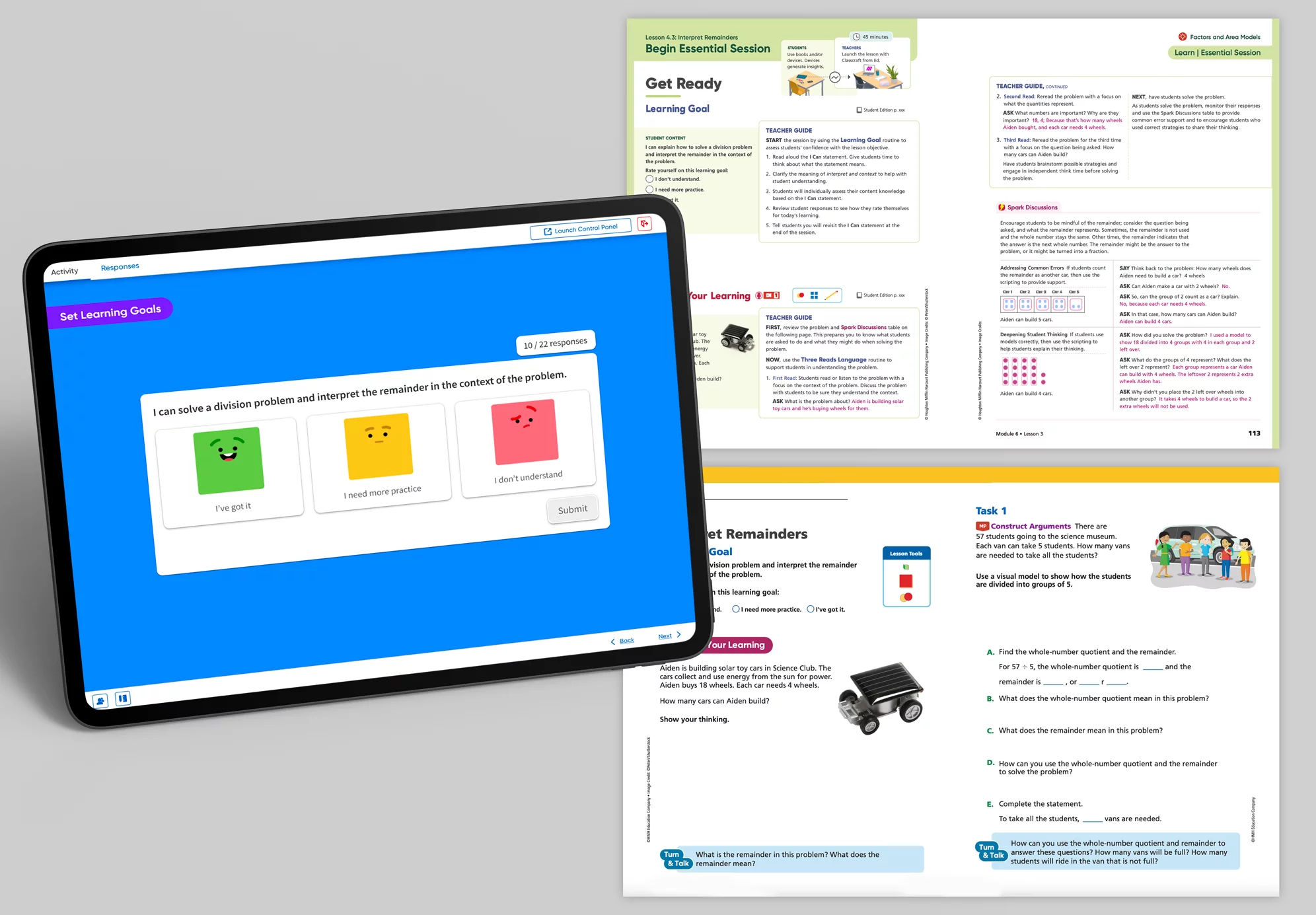
Into Math
Objective
Redesign our core math curriculum product to reduce complexity and reinforce engagement.Purpose
The education market post-pandemic exploded to include non-traditional players such as Google. HMH had to adapt it's curriculum offerings to remain competitive in this new landscape.Outcome
Greater alignment between print and digital products, combined with a renewed focus on what was essential to the user, helped us create an entirely new curriculum experience. This in turn drove an increase in sales and adoption across the country.Great Content If You Can Find It
Our math program was known in the industry for its top level content. Teachers loved it's rigor and level of support. What they didn't love was how inaccessible it felt to navigate and how unapproachable it felt to their students. With Into Math 2.0 our task was simple in requirements but a challenge to resolve: reduce complexity, drive engagement, and ultimately increase adoption.
Where Print Meets Digital
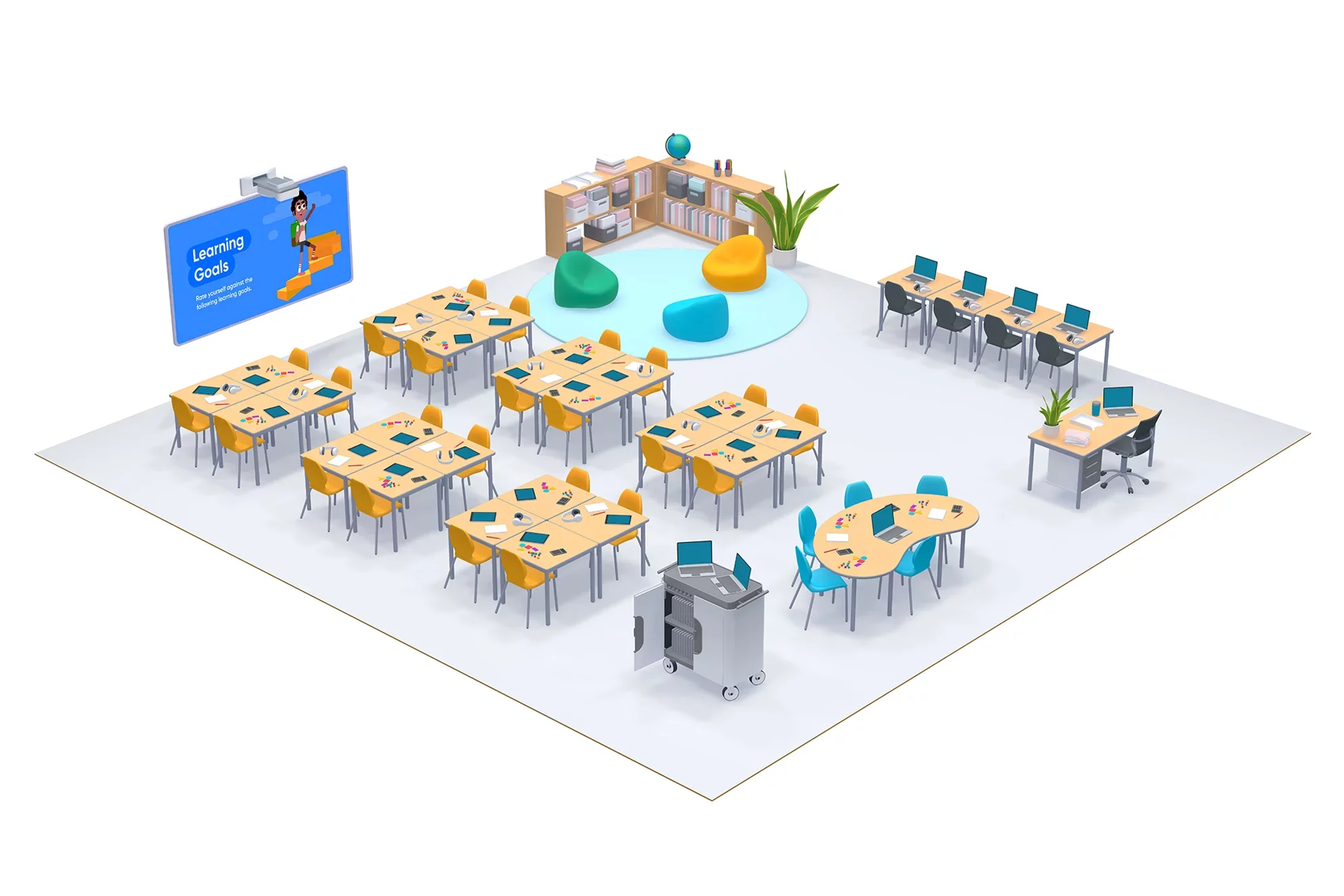
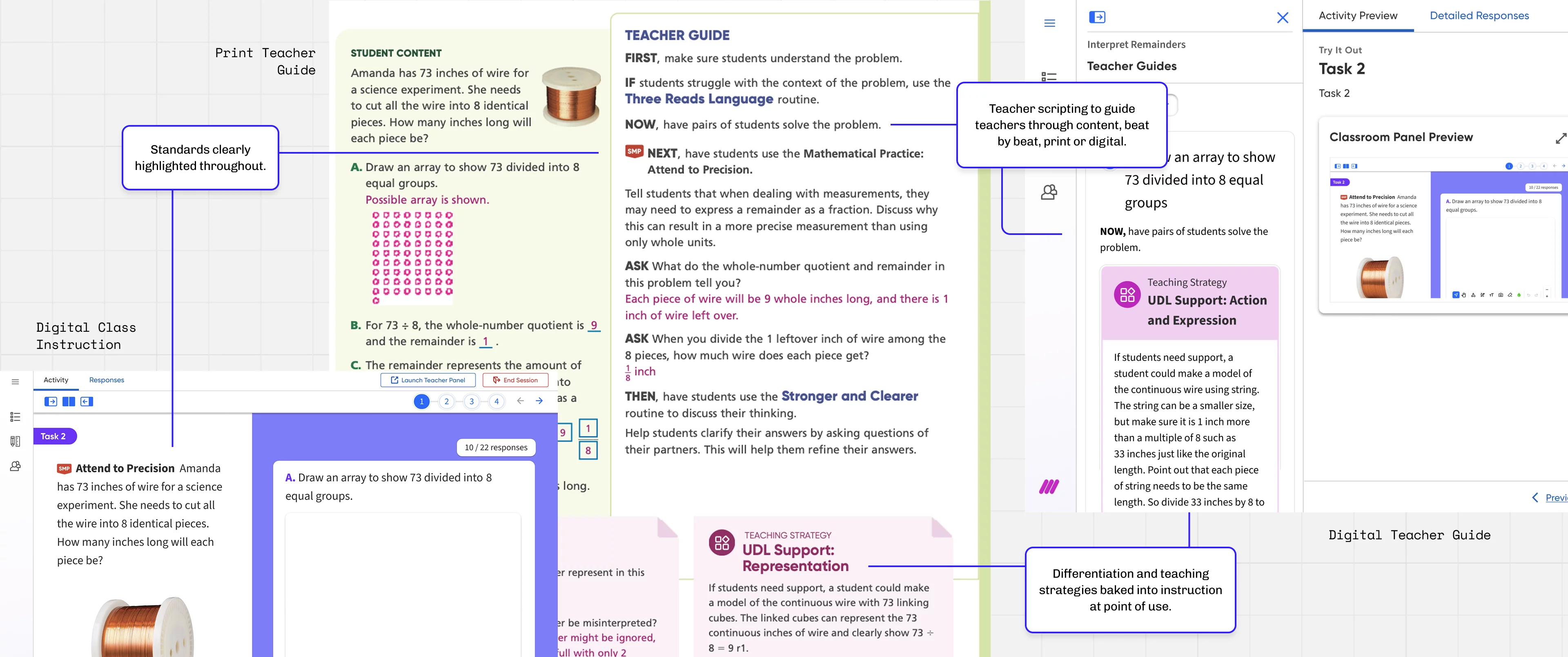
The redevelopment of this product aligned closely with the rebranding of HMH from a publishing company to an adaptive learning company. That didn't mean jettisoning our great print products, but it did mean an increased focus on aligning our print and digital products into one delightful, seamless experience. To our design team, this meant a rock solid understanding of our user's journey, and for us that meant student, teacher and the whole-class experience across both print and digital.

Building the Plane While Flying It
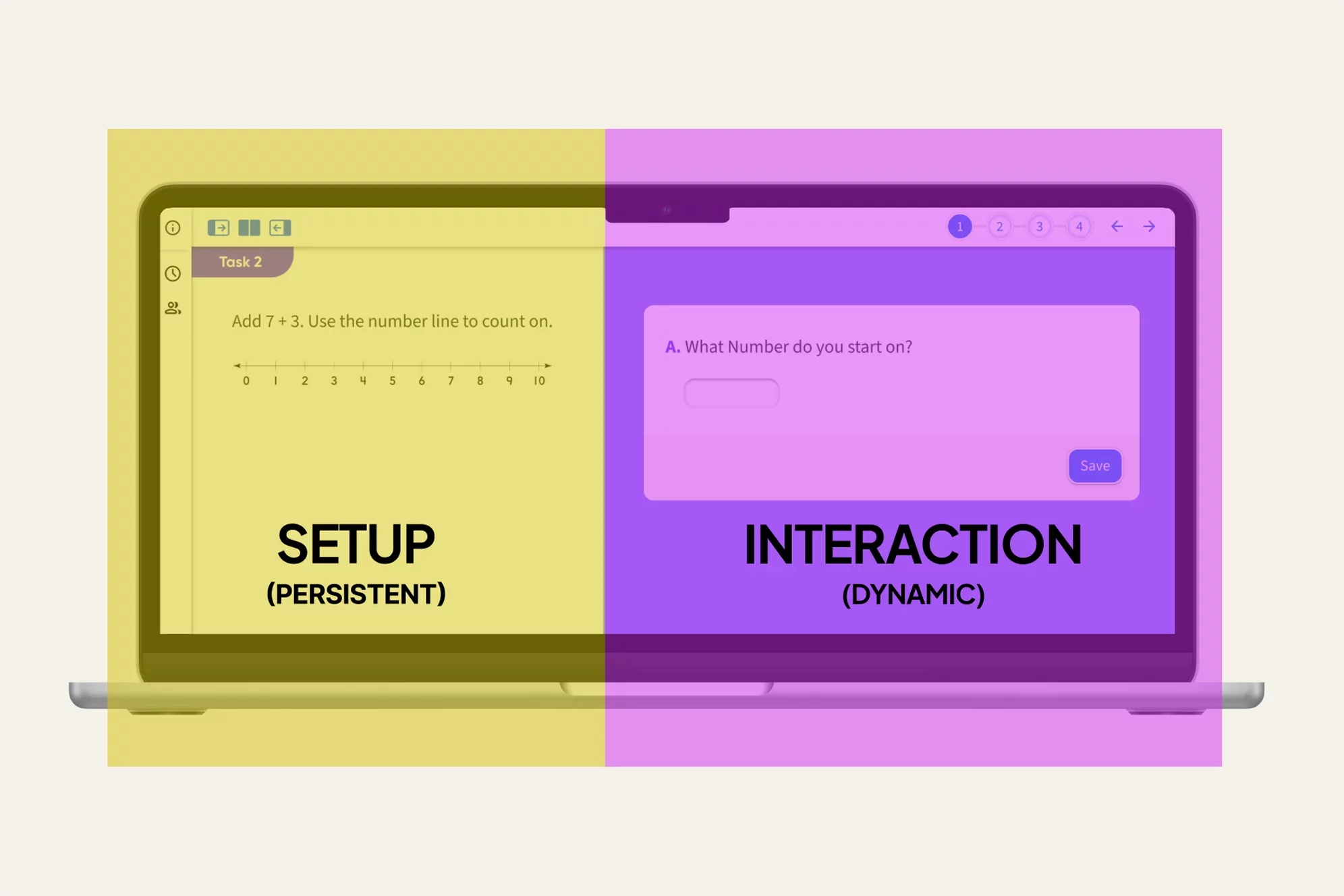
Of course aligning to a digital product is far easier when you aren't building an entirely new digital platform at the same time. This changed not only how we developed our online content, it changed the structure of the curriculum itself. Our new digital experience, called Classcraft (see also the Try It Out case study), emphasized repeatable, recognizable patterns with clearer chunking of content and information. In order to align our print and digital products we had to reimagine our print pedagogy in this new framing.
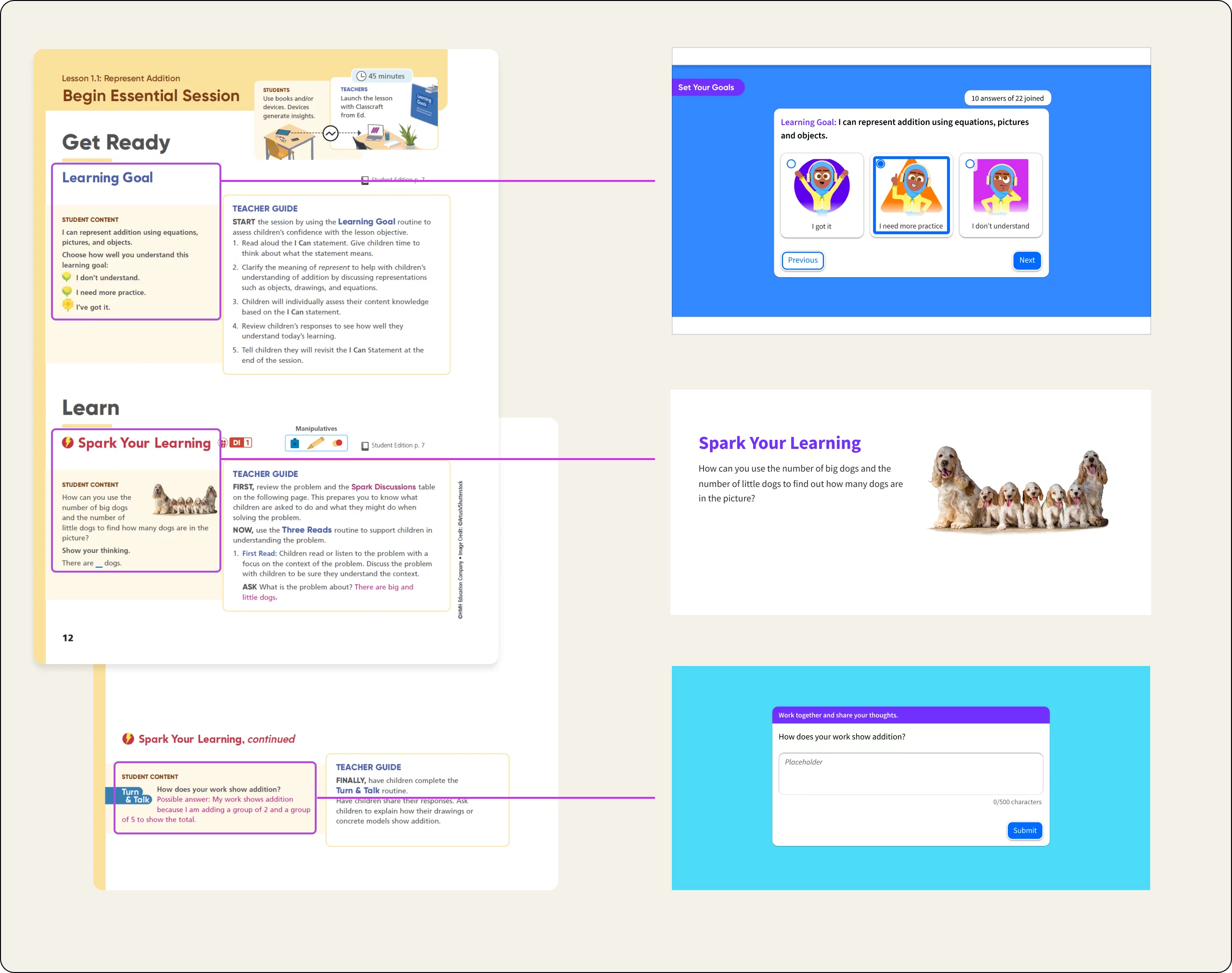
Print and digital obviously have their individual pros and cons, so creating 1:1 parity can be a challenge, but by focusing on pedagogy and the whole-class experience we were able to create a unified system regardless of chosen medium.
Results
Due to the success of this new approach we:
achieved our target sales and adoption goals
have already started to see better student outcomes
received improved teacher feedback on usability and discoverability